
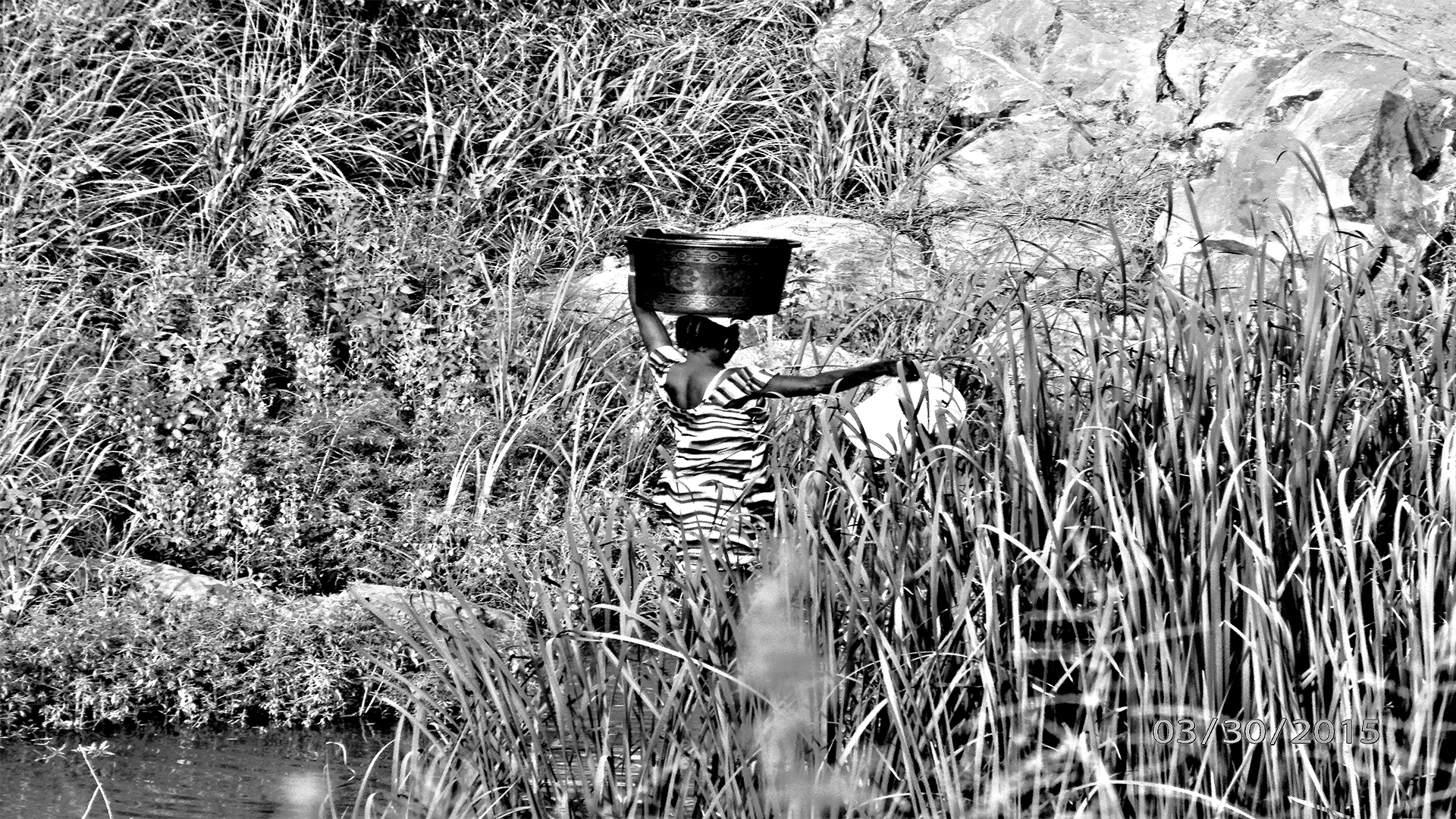
@Royalsafariphotohouse (Copyright: 2019).
Ghana #Dawhenya
Date: 10 May 2015
Dawhenya is a town located in the District of Tema within Greater Accra Region.
Where others luck common water for bathing, drinking and cooking , others travel by business class about 15Xtimes a year.
Source of water
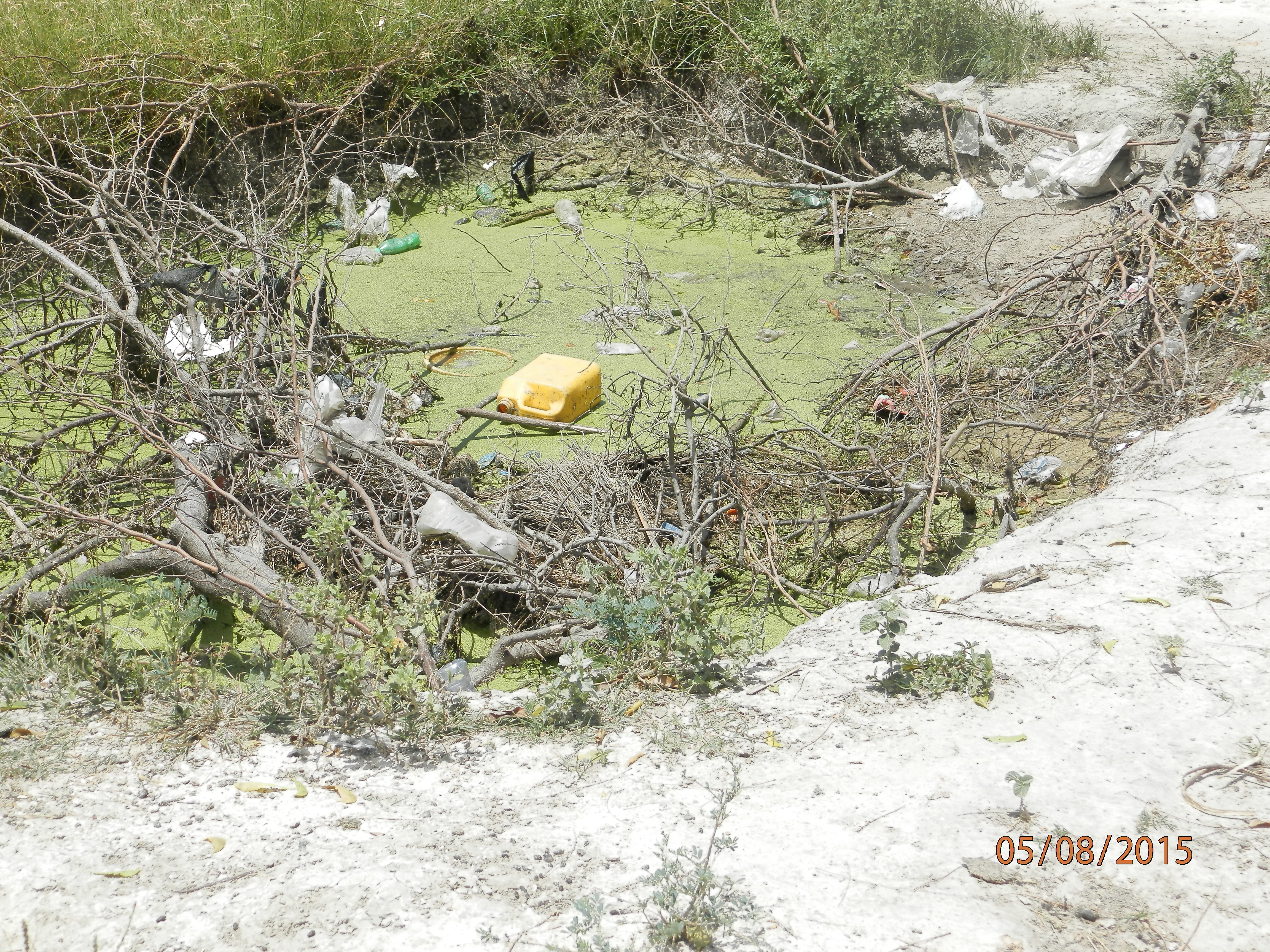
@Royalsafariphotohouse (Copyright: 2019).
Ghana #Tsopoli
Ghana’s water and sanitation crisis
Waterborne diseases are caused by drinking contaminated or dirty water. Contaminated water can cause many types of diarrheal diseases, including Cholera, and other serious illnesses such as Guinea worm disease, Typhoid, and Dysentery. Water related diseases cause 3.4 million deaths each year.
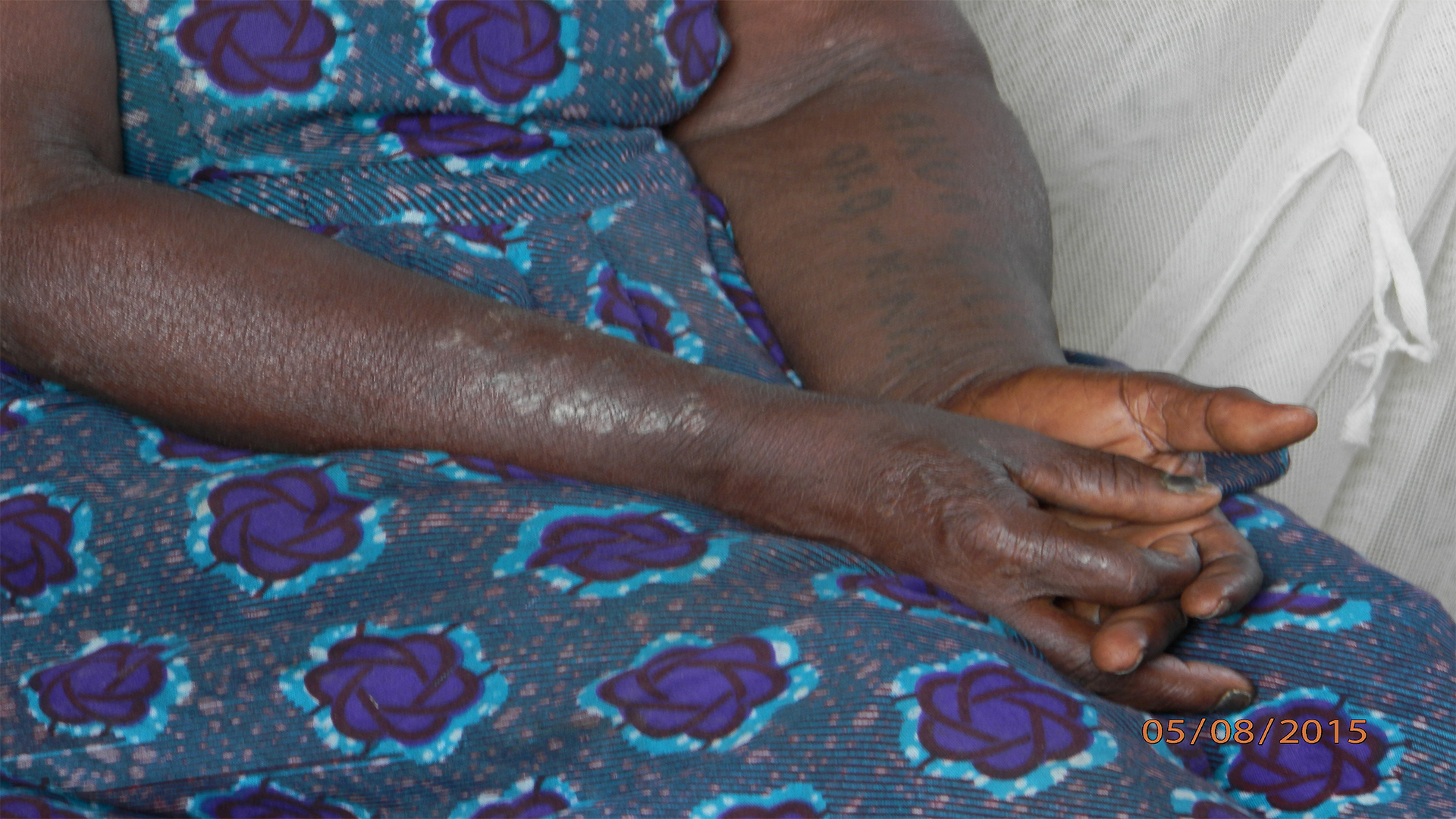
@Royalsafariphotohouse (Copyright: 2019).
Ghana #Tsopoli
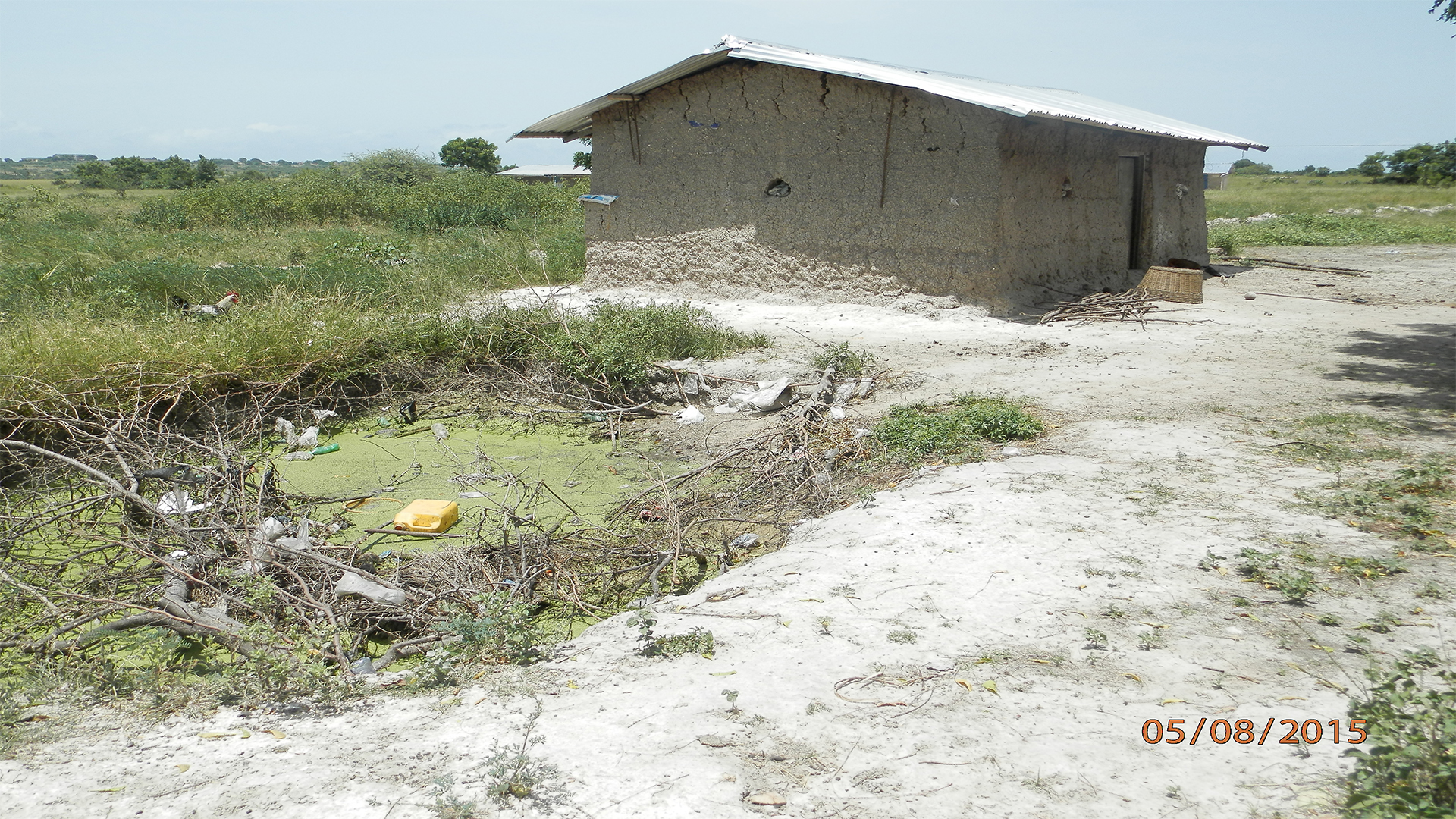
In Ghana, close to six million people (nearly 22 percent) rely on surface water to meet their daily water needs, leaving them vulnerable to water-related illness and disease. Further, 67 percent of Ghanaians lack access to improved sanitation or are entirely without toilet facilities.
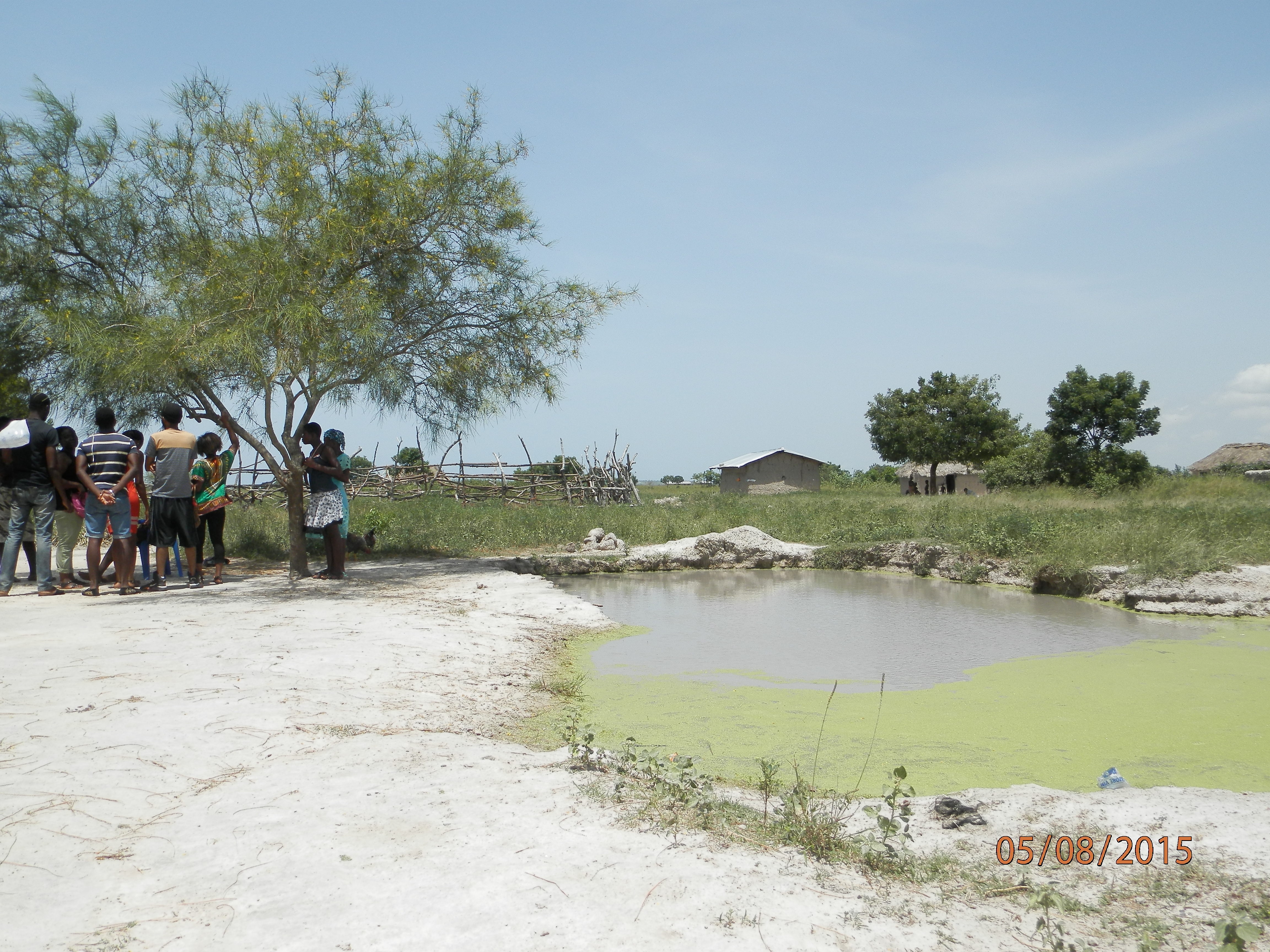
@Royalsafariphotohouse (Copyright: 2019).
Ghana #Tsopoli
Seventy percent of all diseases in Ghana are caused by unsafe water and poor sanitation. 6 Million people lack access to safe water and 18 Million people lack access to improved sanitation.
@Royalsafariphotohouse (Copyright: 2019).
Ghana #Tsopoli
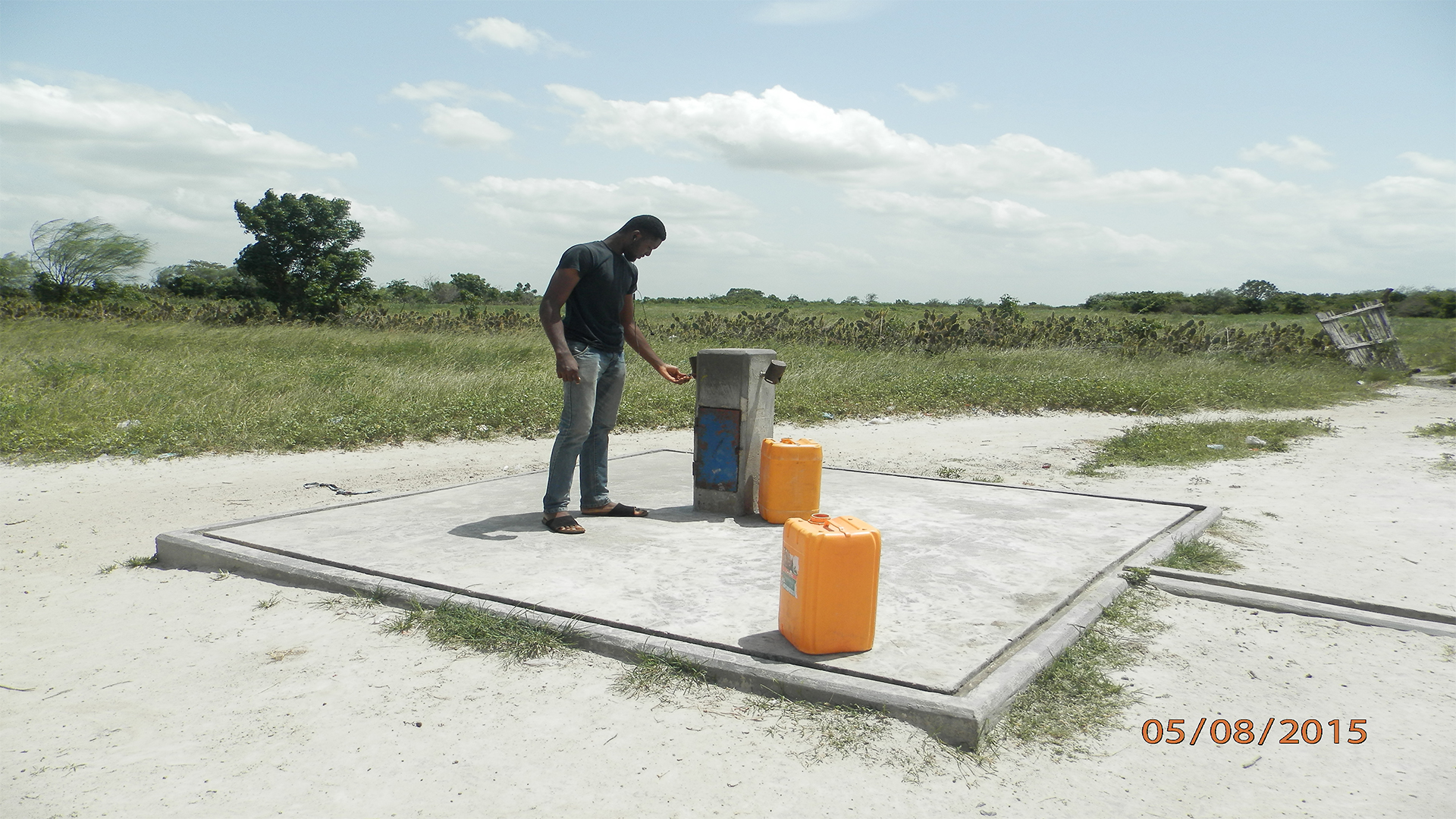
The majority of households without access to safe water and sanitation lack the upfront funds needed to invest in their own solutions. Consequently, those living in poverty often pay up to ten times more per liter for water service from private vendors than their middle-class counterparts connected to piped water services. These water costs can be reduced through investments in improved household water assets such as connections, rainwater harvesting equipment, wells, and latrines. Unfortunately, this requires up-front investments that, without access to financing, are unrealistic for most of these people.
@Royalsafariphotohouse (Copyright: 2019).
Ghana #Tsopoli
Water.ORG‘s impact in Ghana
Partnering with a local microfinance institution for the first WaterCredit program in Ghana. This project started in 2015, and they are currently piloting their first loans. With Ghana’s growing microfinance market, a mostly well-educated population, and one of the highest mobile penetration rates in Africa, the country demonstrates strong potential for successful WaterCredit programs.
Since 2009, Water.org has worked in Ghana to deliver access to safe water and improved sanitation through our direct impact model, thanks in part to John Deere. The Helmsley Charitable Trust is funding a program where our partners are constructing 61 water facilities, and so far we have reached more than 27,000 people through borehole wells, water systems and health and hygiene education. 223 thousand people reached , $1 Million provided in loans, and 2 partners.
Give water credit for celebrations
Whether in India, Haiti, Ethiopia, or Ghana, access to safe water is a reason to sing, and dance, and jump, and cheer.
Opportunity in Ghana
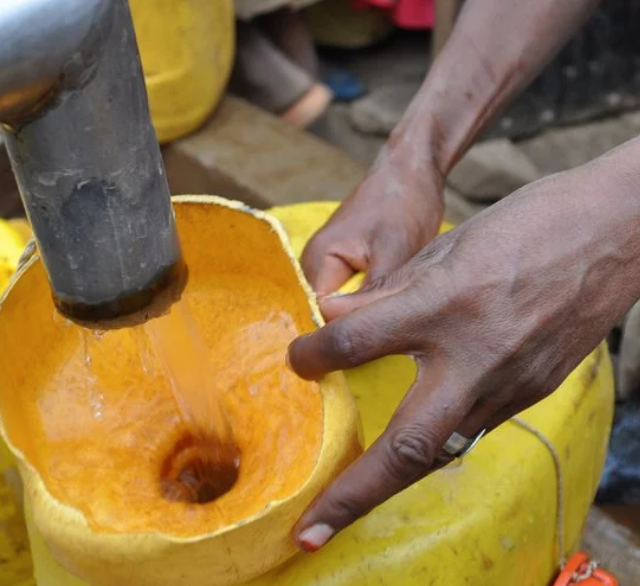
It is difficult to deny the side effects and suffering the lack of access to safe water can pose on a community. From the stories of these women we learn that once a well was constructed near their homes, the daily obstacle of sourcing and carrying water, that previously controlled their time and livelihoods, was removed.
Before having a local, safe water source Mrs. Azabre was limited on the amount of local-beer she could brew. She uses guinea corn to make the brew, known in the region as ‘pito’. Unfortunately without access to water, she spent more of her time sourcing water for her family and the brew, than she could lend to crafting her product to sell at market.
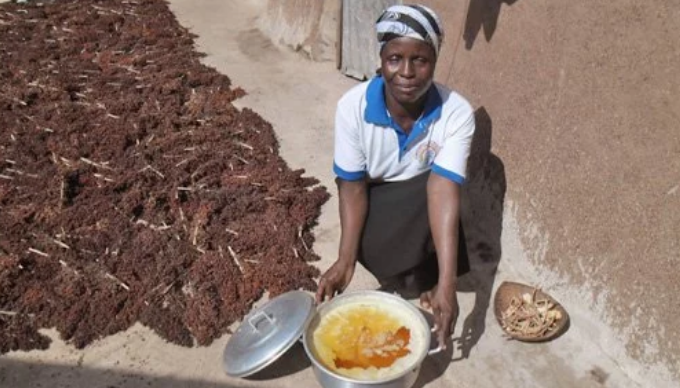
Since Water.org and our partner organization, Rural Aid, established a community well near her home, Mrs. Azabre is now able to brew three-times the amount of pito, meaning she can make more money each month.
Some of Mrs. Azabre’s peers weave baskets and make shea butter to earn income. Since gaining access to safe water, the local basket weavers shared how life has improved for them. Now, rather than spending time searching for water, they can weave more baskets to sell at the market. Similar to Mrs. Azabre, they can generate more income for their families by having more product to sell.
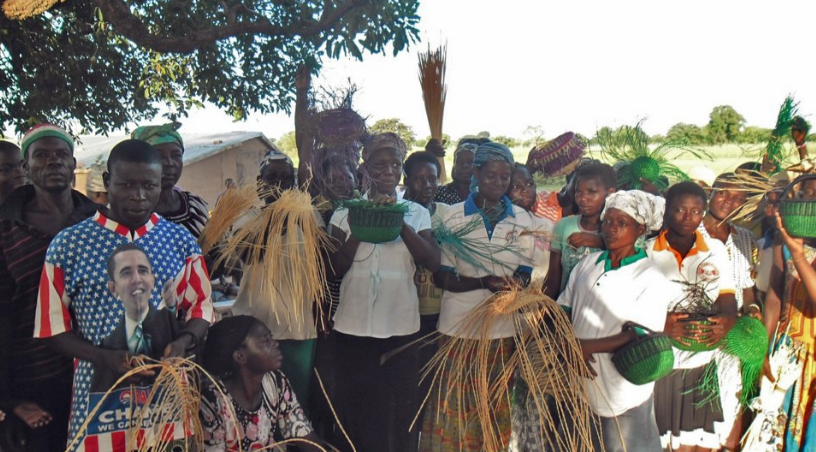
Shea butter is considered valuable to Mrs. Azumbire’s community as it features vitamin rich properties that heal and protect the skin from damaging variables in the climate. As such there is high demand for her to offer the product in Ghana. Since gaining access to a water point, Mrs. Azumbire has noticed a significant increase in the amount of shea butter she is able to manufacture, thus the more she has to offer for sale. Again, this is another opportunity for one to earn more income and support the livelihood of their family.
#africa #africanwoman #got #no #choice #noeducation #nochoice #Beautifulweather #Godispure#Godislove #Godisgood
Photo and words by Almoustapha Diakite
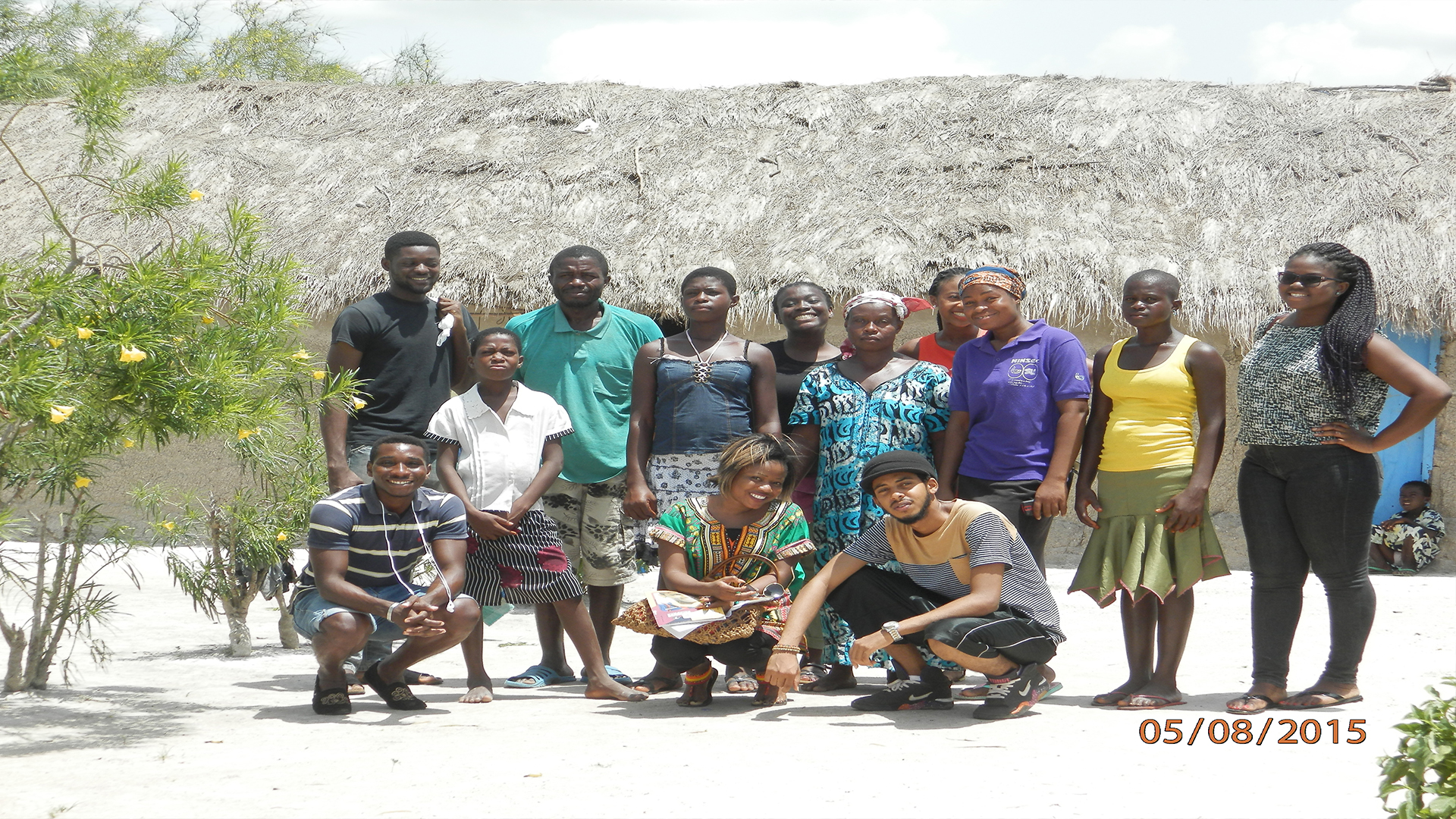
Photo and Words by Almoustapha Diakite (diakmusto2@gmail.com)
@Royalsafariphotohouse (Copyright: 2019).
Ghana #Tsopoli
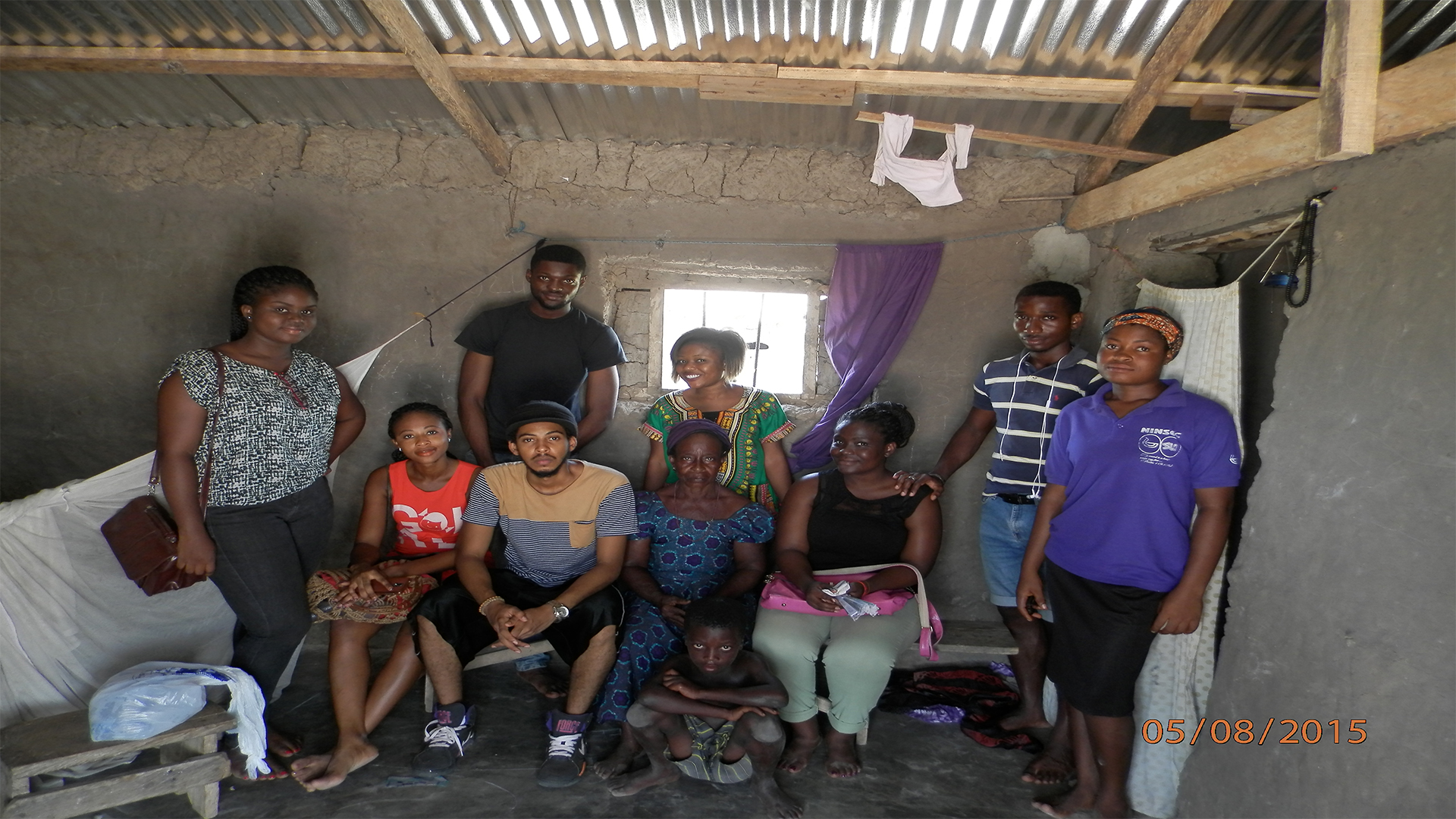
Photo and Words by Almoustapha Diakite (diakmusto2@gmail.com)
@Royalsafariphotohouse (Copyright: 2019).
Ghana #Tsopoli
Source:
https://water.org/our-impact/ghana/
by Almoustapha Diakite (diakmusto2@gmail.com)
@Royalsafariphotohouse (Copyright: 2019). Niger #Niamey
 ROYAL SAFARI PHOTOHOUSE